
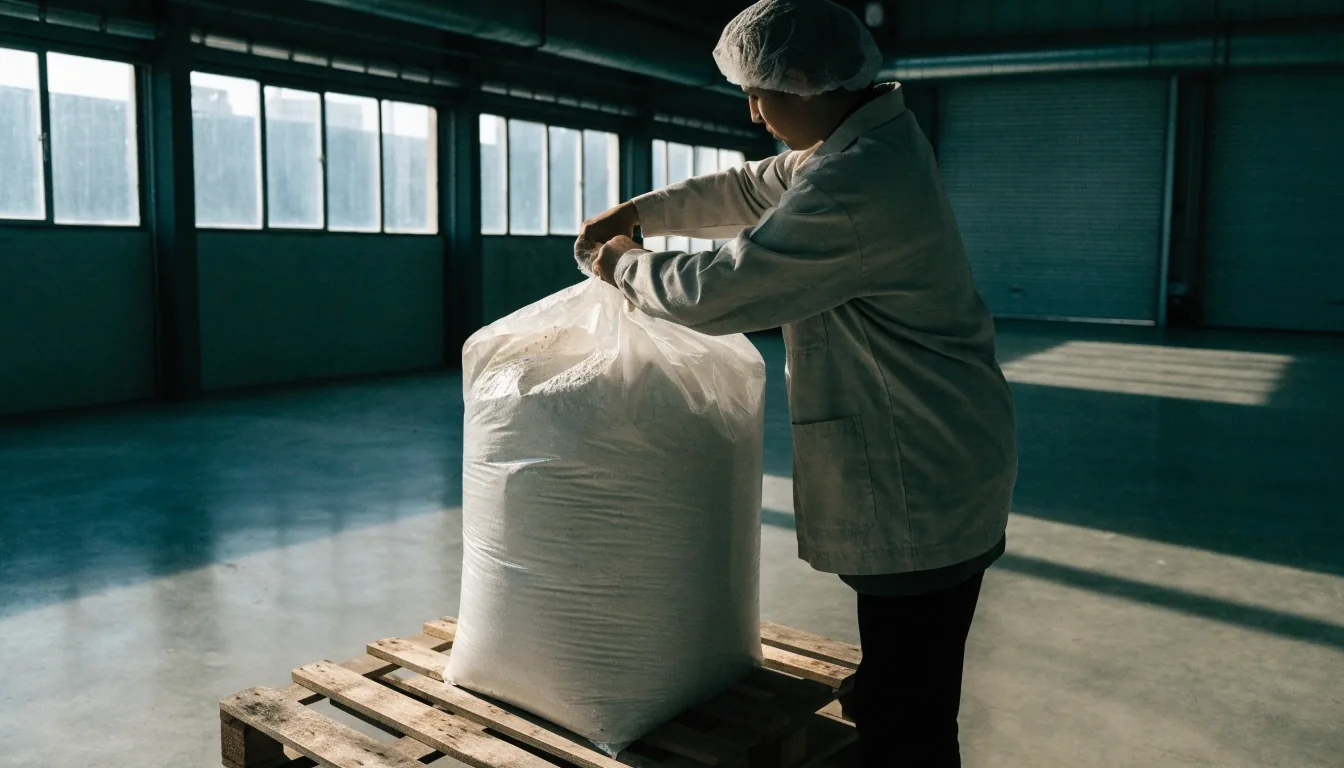
Sustainable production · Alpina Bio Ingredients AG
Sustainable production of our organic ingredients
Talking about sustainability without verifiable figures is useless. This page describes what we control in our chain, what depends on our suppliers, and what we do not claim.
What this page covers
Origin of raw materials, packaging, and logistics in Switzerland
We sell in bulk to bakeries, manufacturers, and professional kitchens. The sustainability that matters to them is what appears in logistics, packaging, and batch traceability — not in a statement of intent. Here is the honest breakdown.
Actual scope of our control
-
What we control
The packaging format, pallet configuration, shipping from Switzerland, and documentary traceability of delivered batches.
-
What depends on suppliers
Upstream agricultural practices and energy consumption of processing sites. We relay what they document, nothing more.
-
What we do not claim
That an ingredient has zero impact, nor that our packaging is footprint-free. Reduction comes from format and consolidation, not from a promise.
 Organic erythritol
Process
Fermentation rather than chemical extraction
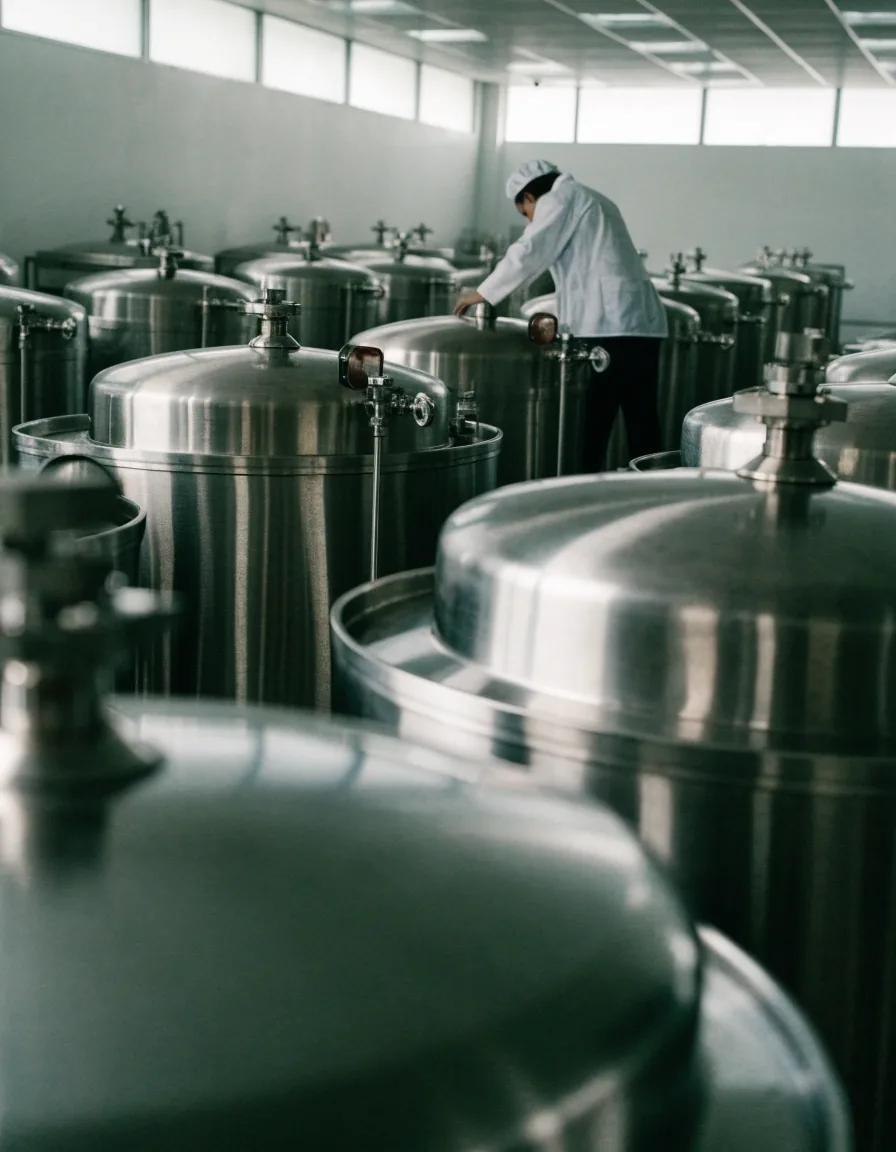
The erythritol we distribute is obtained by fermentation, often from organic corn. This process is standard for the organic industry, as shown by Birkengold with organic erythritol based on organic corn.
Fermentation requires energy and water, but it avoids certain synthesis steps. We do not claim the process has no impact: we state what it is.
Raw material
Organic corn, then tank fermentation before filtration and drying.
What the process avoids
Some of the synthesis steps typical of conventional extraction methods.
What it consumes
Process energy and water, the consumption of which depends on the processing site.
Supply chains
Origin of raw materials and supply chains
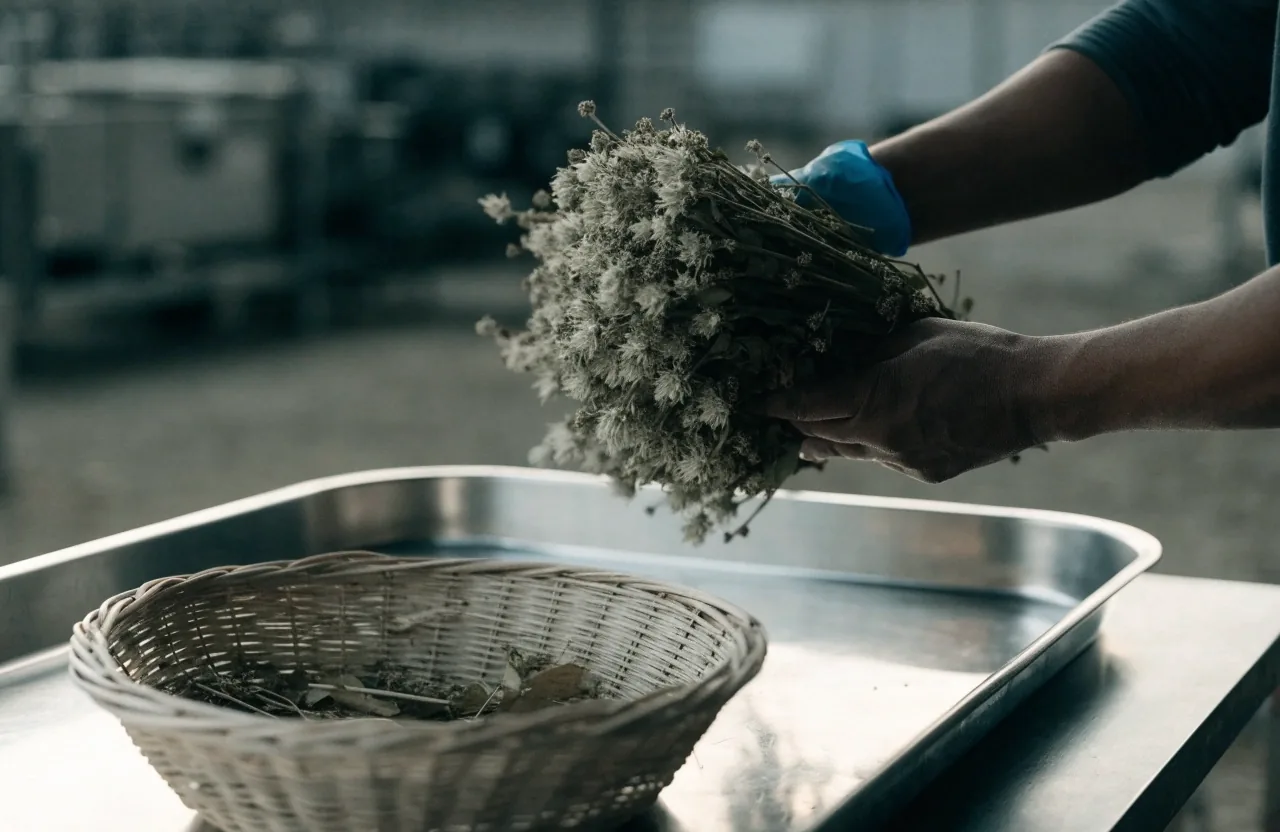
For stevia, the extraction of steviol glycosides is done from the plant's leaves, and quality depends on the upstream agricultural supply chain. For inulin, chicory root is the common source.
We prioritize suppliers who document their origin, which allows for verifying the consistency between the organic certificate and the delivered batch. This is a traceability requirement, not a marketing argument. Concretely, with each order, you receive the reconciliation between the batch number, the declared supplier, and the corresponding organic document — it is this reconciliation that serves you in internal audits, not a brochure sentence.
High-purity stevia
Extraction from leaves; the steviol glycoside rate and residual bitterness profile are read in the batch, not in the product name.
Dietary fibers
Inulin generally comes from chicory root; ask for the origin sheet if your specifications require it.
 Stevia · raw material
Packaging
Packaging and waste reduction
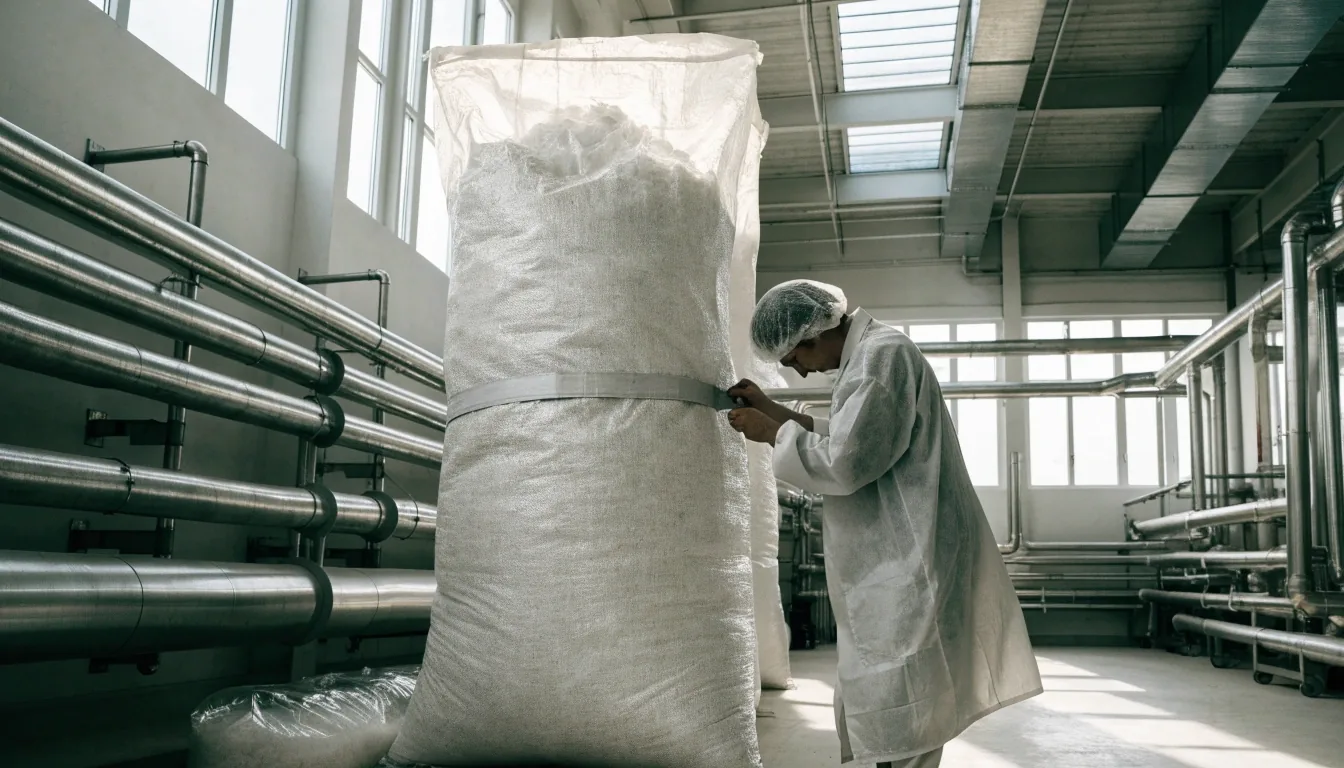
25 kg bags and one-ton big bags, lined with a food-grade liner. The big bag reduces the number of packages per ton delivered and therefore packaging waste at the client's site.
When the product allows it, we prioritize recyclable materials. We do not claim our packaging is impact-free: the reduction comes mainly from the format and consolidated logistics.
Format
Composition
What it changes for you
25 kg bag
Multi-layer paper bag with internal food-grade liner.
Fine handling, useful for small lines or recipe trials.
1 t big bag
Four-loop big bag with sealed food-grade liner.
A single package for one ton delivered: fewer empty bags to dispose of on the production side.
Full pallet
Film-wrapped pallet, mixed formats possible depending on the order.
Fewer trips for the same quantity delivered, and a single delivery appointment.
The choice of format is decided based on your actual consumption: if you order less than a ton per month, the bag often remains simpler than a big bag sitting on the floor.
Logistics
Logistics in Switzerland: limiting travel
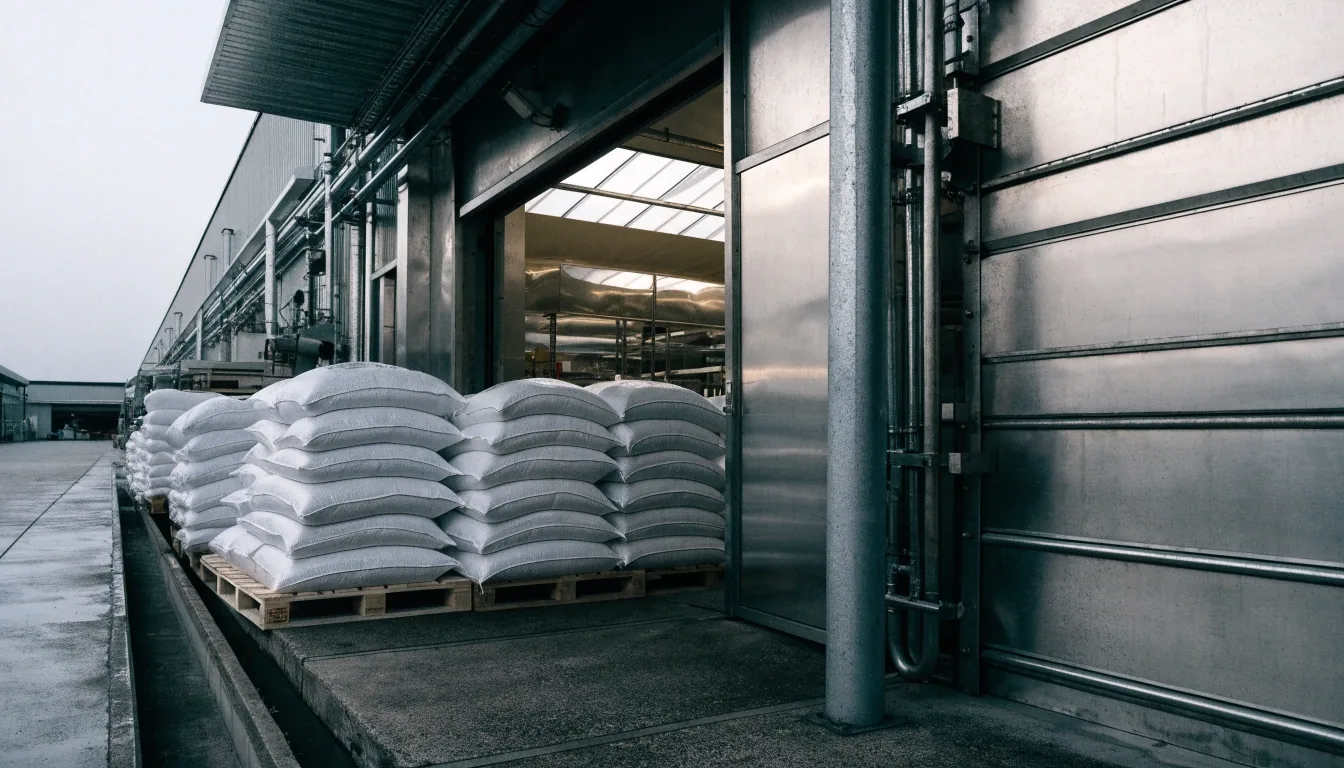
We ship from Switzerland, which avoids cross-border trips for the final stage. A full pallet or a big bag per delivery reduces the number of trips compared to split orders.
If you manage multiple sites, a consolidated order with separate deliveries often costs less in transport than a series of small orders. It is a concrete logistical gain, and it is calculated on your actual quantities, not on an average.
Comparison
0
calorie added per gram of high-purity stevia. This figure says nothing about the production footprint: that is precisely where the comparison becomes useful.
Conventional organic sugar as a comparison
Sustainability is not limited to sugar-free products. PRONATEC, for example, emphasizes traceability and sustainability with organic and Fairtrade sugars sourced directly from small producer organizations, including raw cane sugar, whole cane sugar, icing sugar, and coconut sugar.
This approach shows that documented sourcing is built on a direct relationship with producers. We do not seek to pit the two product families against each other: a manufacturer that replaces part of its sugar with an organic sweetener changes the glycemic load of its recipe, but it does not eliminate the value of traceable and fair-trade sugar for the rest of its range.
What matters in both cases is the same thing: knowing where the material comes from, who documents it, and whether the document follows the batch. This is what we ask of our suppliers, and it is what we also expect from a sugar supplier.
Limitations
What still depends on our suppliers
We do not directly control upstream agricultural practices or the energy consumption of processing sites. We depend on the information that our suppliers document and verify.
When data is not available, we say so rather than estimating. A buyer who has to report these elements in their own balance sheet prefers missing data to invented data.
If your internal reporting requires a precise value, tell us as soon as you request a quote: we will indicate what the supplier can confirm and what they cannot, before you build your document.
Monitoring
How we track industry developments
Innovations in functional ingredients are often discovered at trade shows like Health Ingredients Europe, which is held in Paris and serves as a showcase for specialized ingredients. This is where new processes and new supply chains are discussed.
We follow these developments to anticipate what Swiss bakeries and manufacturers will demand in the coming years. What interests us on-site is not the novelty itself, but the question of whether a supply chain can provide a regular volume with sustainable documentation.
Operational impact
What sustainability changes for you
On a bulk order, the packaging format weighs as much as the product in the logistics footprint. Choosing a big bag rather than sacks, grouping deliveries, storing away from humidity to avoid losses: these are operational actions that reduce waste.
Reference format
25 kg
The sack remains the calculation basis for small lines and recipe trials.
Grouped format
1 t
A big bag replaces 40 sacks of 25 kg: same material, only one package to dispose of.
Pallet
Up to 1 t
Grouping on a pallet reduces the number of trips and receipts for the same quantity.
Indicative price grid per kilogram and per ton
The values below are order benchmarks, excluding transport and raw material price fluctuations. The firm price is established in the quote, according to the annual volume, format, and delivery site.
Product
Benchmark per kg
Benchmark per ton
Organic erythritol
Upon request
Upon request
High-purity stevia
Upon request
Upon request
Dietary fibers (chicory inulin)
Upon request
Upon request
Mixed formats on pallet
Upon request
Upon request
Detailed grids by volume tier, delivery conditions in Switzerland, and quantity discounts can be found on the pricing and ordering page.
What we provide
The items you can request
These documents accompany the order or are available upon request before purchase. They serve you internally, whether for a supplier audit, a customer declaration, or a certification file.
Origin document
The link between the delivered batch, the declared supplier, and the corresponding organic certificate.
Packaging sheet
Format, net weight, presence of a food-grade liner, and number of units per pallet.
Product data
Technical specifications available from the supplier for each reference.
Delivery plan
Grouping of shipments, sites served, and schedule agreed with your production.
Frequently asked questions
What buyers ask us most often
If your question is not here, ask it when requesting a quote: we prefer a precise answer to a quick one.
Can I get the exact origin of a delivered batch?
Yes, as long as the supplier has documented its origin. You receive the reconciliation between the batch, the declared supplier, and the corresponding organic certificate. When information does not exist on the supplier side, we tell you so rather than completing the document ourselves.
Is the big bag really more advantageous than 25 kg sacks?
In terms of packaging, yes: a big bag replaces forty sacks for one ton delivered. But it requires dry storage space and suitable handling equipment. If your monthly consumption is low, sacks are often easier to manage.
Can you provide footprint figures for my report?
We transmit what suppliers document and verify. We do not calculate estimates for them, and we do not assign a value to missing data. For reporting that requires a figure, a documented empty box is better than an invented figure.
How does delivery to multiple sites work?
A grouped order can be delivered in several installments to different addresses. Transport is then calculated on the whole, which often remains more favorable than a series of small separate orders. The details are settled in the quote, according to your sites and your schedules.
Where can I find prices per kilogram and per ton?
Grids by volume tier can be found on the pricing and ordering page. The firm price is then established in the quote according to the annual volume, the chosen format, and the delivery site.
"Missing data is better than invented data when it has to end up in a client's balance sheet."
Work position of Alpina Bio Ingredients AG
Let's talk about your actual volumes
Format, grouping, and delivery schedule are decided based on your monthly consumption, not a market average. Write to us about what you use, and we will respond with the appropriate formats and available origin information.
- Phone
- +41 21 828 15 78
- [email protected]
- Address
- Bahnhofstrasse 42, 8001 Zürich, Schweiz
- Hours
- Monday – Friday: 8:00 AM – 5:30 PM
Next step
Tell us the product, the estimated monthly volume, and the sites to be delivered. We will get back to you with available formats, origin information, and a priced quote.
Alpina Bio Ingredients AG · Bahnhofstrasse 42, 8001 Zürich